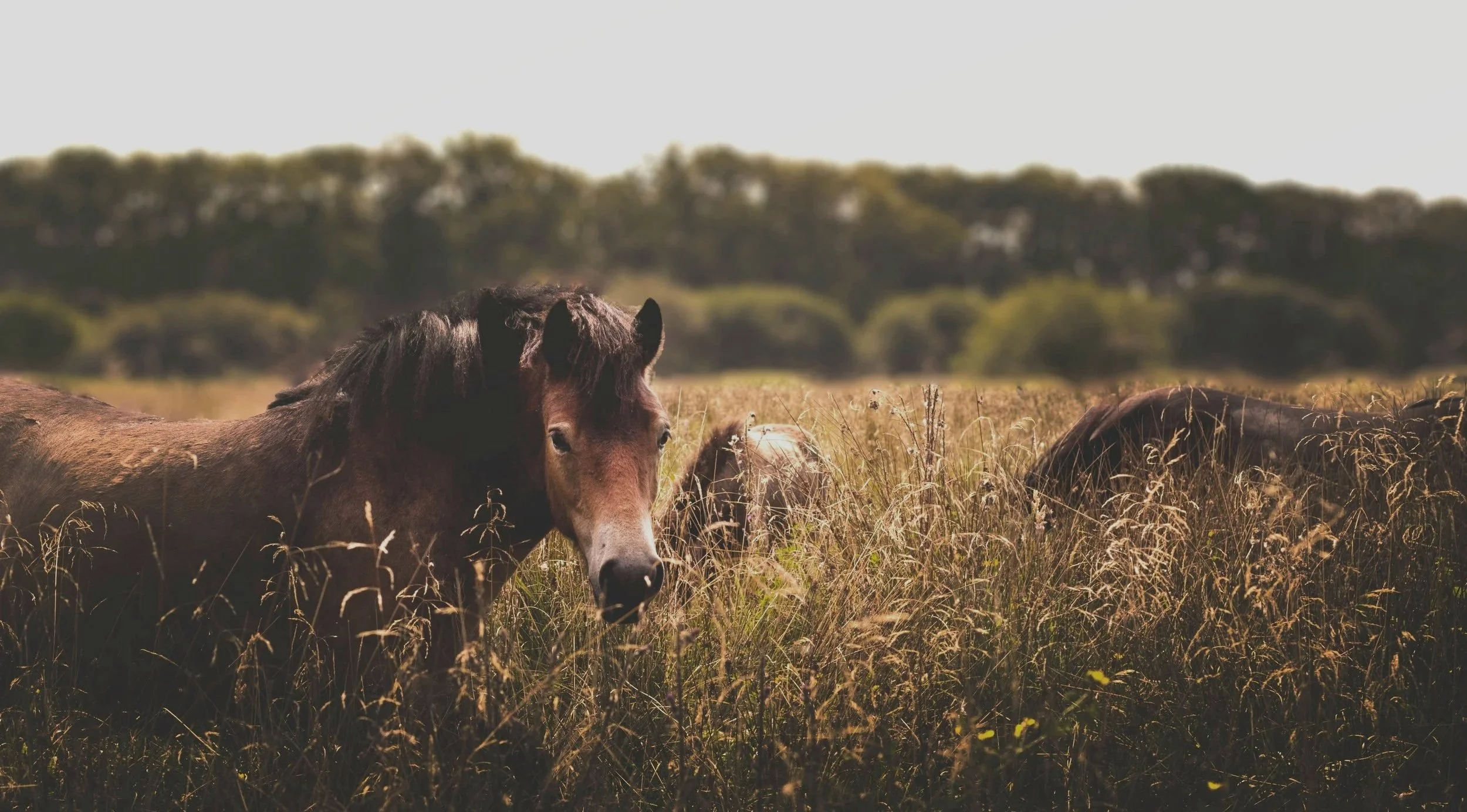
The horse, the science, and the person behind it
What is Equine-Assisted Learning?
Equine-Assisted Learning is a structured, evidence-based approach to personal and professional development that uses horses as active partners in the learning process. It is practised globally across leadership development, education, and wellbeing contexts, and has been recognised by organisations including the Equine Assisted Growth and Learning Association (EAGALA) as a legitimate and measurable development methodology since 1999.
It is not therapy and there is no riding involved. All interactions happens on the ground, guided by a trained facilitator, and participants are not required to have any prior horse experience.
Most leadership development asks you to think differently. Equine-assisted Learning asks you to be different, and gives you immediate, unfiltered feedback on whether you actually are. It provides an environment that is unpredictable, challenging, and often outside of our comfort zone - perfect for creating genuine growth and lasting change.
Why Horses?
The science behind The Equine Teacher
Horses are naturally vigilant, and spend every moment of every day monitoring its environment for changes that might signal danger: a strange smell, an unfamiliar sound, or a change in the energy of those nearby. A horse is exquisitely designed to detect and respond to a threat, with near 340-degree vision, independently rotating ears, and a highly developed sense of smell and touch.
Most remarkably, horses can synchronise their heart rate with other members of their herd. This is not incidental - it is a survival mechanism: a rising heart rate signals alarm, a slow, steady one signals safety. By staying physiologically attuned to those around them, a horse knows whether to graze or run before it has even identified the source of a threat. This isn’t limited to horses either - they are able to sense our heartbeat, and will use that to judge our capabilities and if we can keep them safe.
Horses are prey animals
In the wild, herds are governed by a lead stallion and a lead mare. The stallion is the protector; strongest, largest, most powerful, he is responsible for defending against predators and rival stallions. However, it is the mare who is the true decision-maker. She determines where the herd goes, when they move, when they rest, and how they respond to the unfamiliar. She does not lead through force or aggression, but through calm, consistency, and earned trust; the herd follows her because they know she will keep them safe.
The herd also protects each other. During sleep, one horse remains alert while the others rest, and individuals will take turns doing this. A herd without leadership, even for a moment, is a herd at risk. When they encounter humans, a horse will look to us to fulfil that protective role. If we are deemed incapable, they will look elsewhere. In the horse world there’s a saying : “one of you gets to freak out at a time - and it’s never your turn!”
Herd social structure
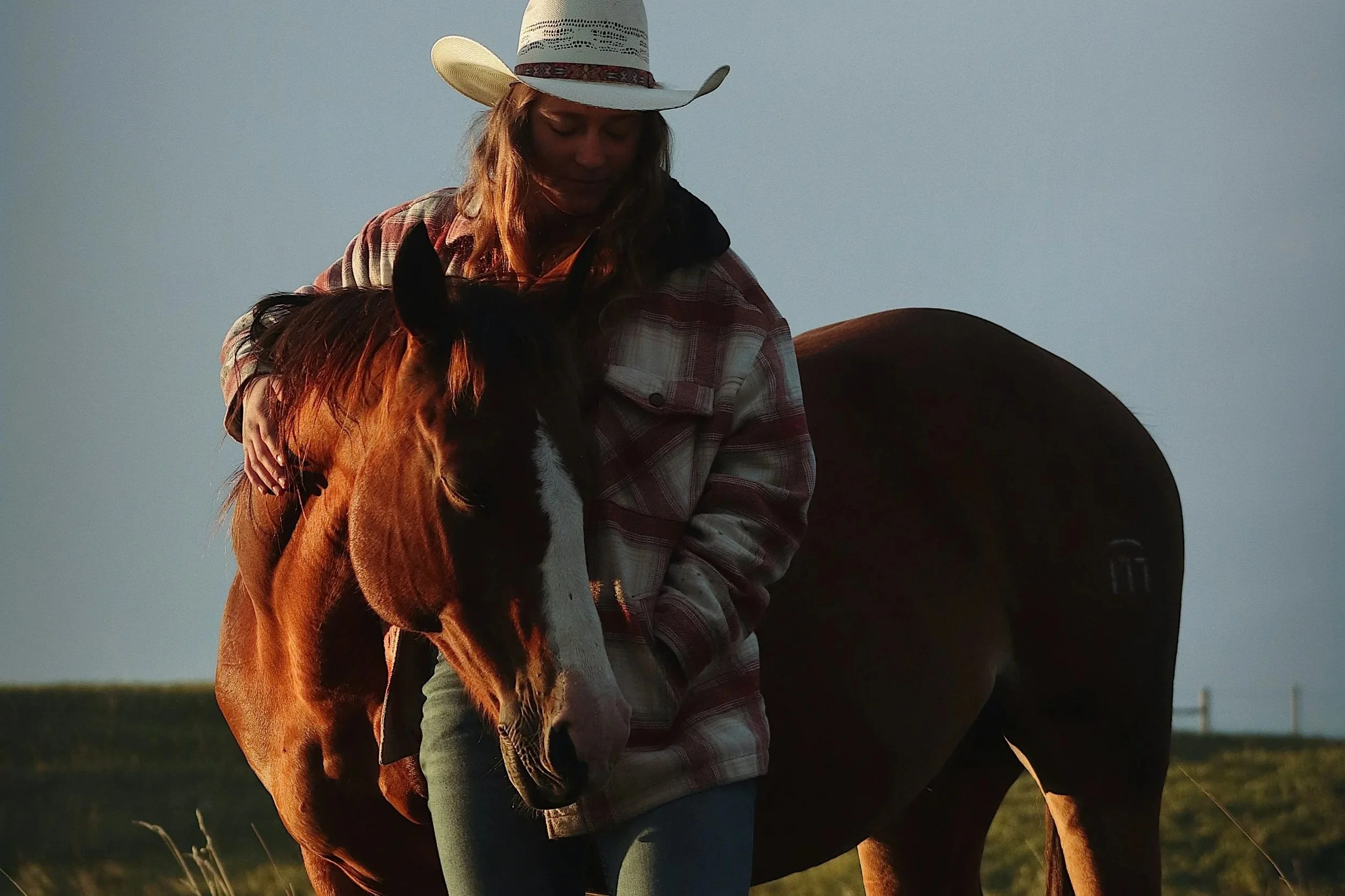
The parallels between horses and leadership are fascinating, and they emerge naturally in every session.
The herd leadership model maps directly onto human teams. The most effective leaders - in paddocks and boardrooms alike - create safety rather than demand compliance. They regulate before they direct, are good communicators, establish boundaries, and earn trust through consistency, not authority.
In our session, participants experience this first-hand. The horse will respond to who you are in the moment; your presence, your calm, your anxiety, and your clarity. Maybe the horse will engage with you, maybe they will disconnect: that response is the feedback. Most importantly, it’s delivered by an animal who doesn’t care about your credentials, accomplishments or positions - only whether you are trustworthy and safe.
How this translates to The Equine Teacher and leadership
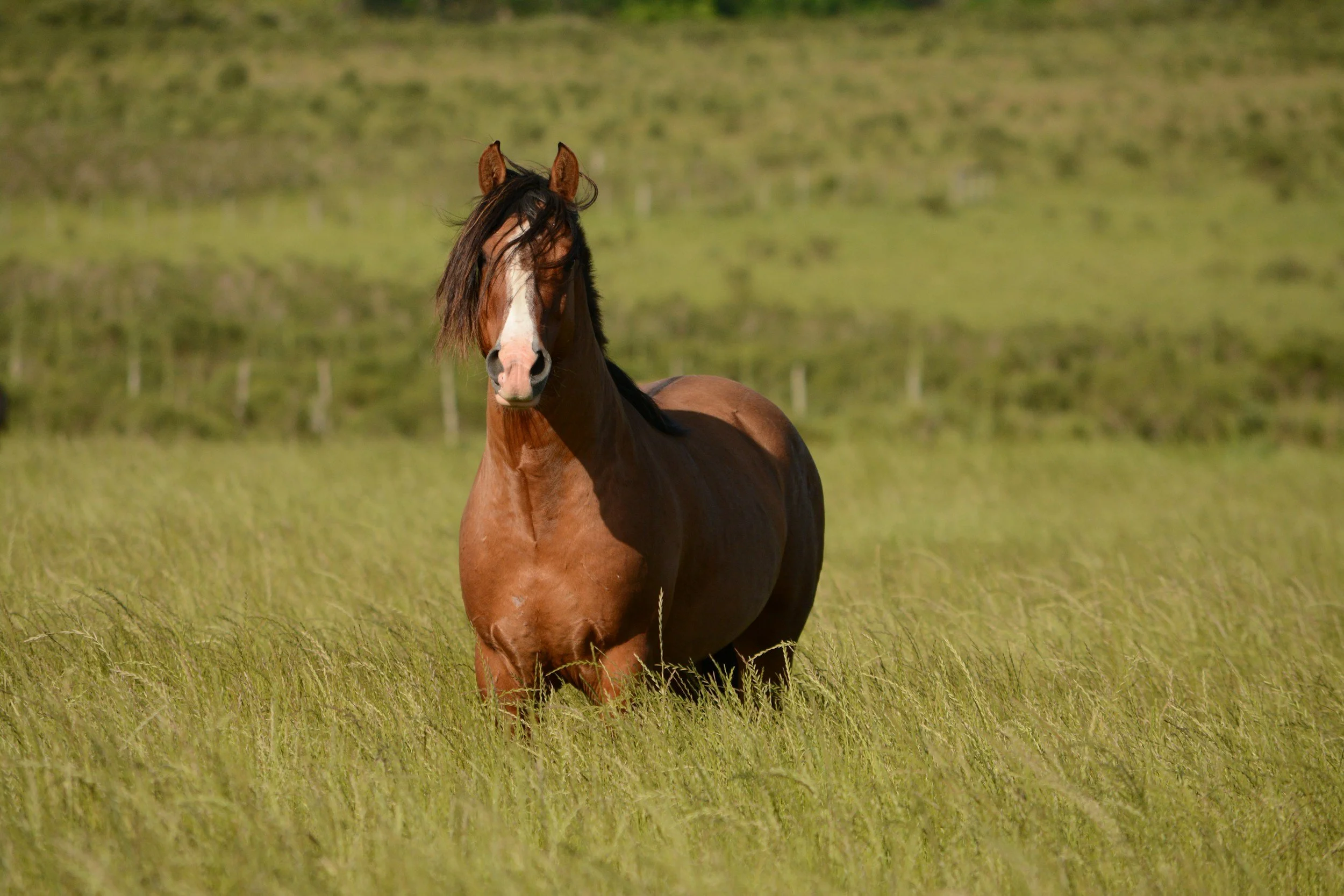
Meet the Team
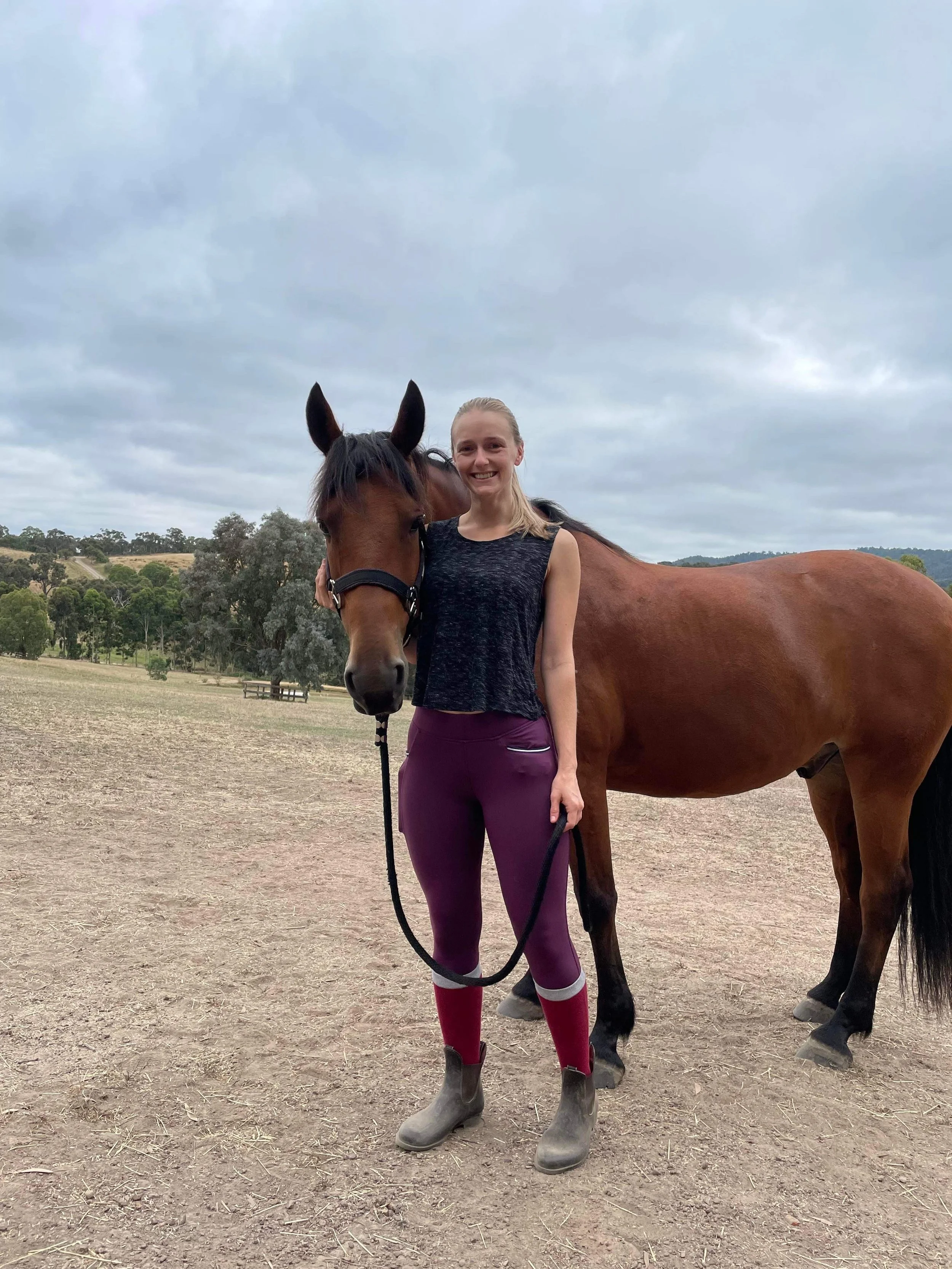
Cailin Spiridis
Founder & FacilitatorCailin has a lifelong passion for horses, a science background, and eight years experience in a highly regulated industry. There is nothing she loves more than helping someone have a breakthrough.
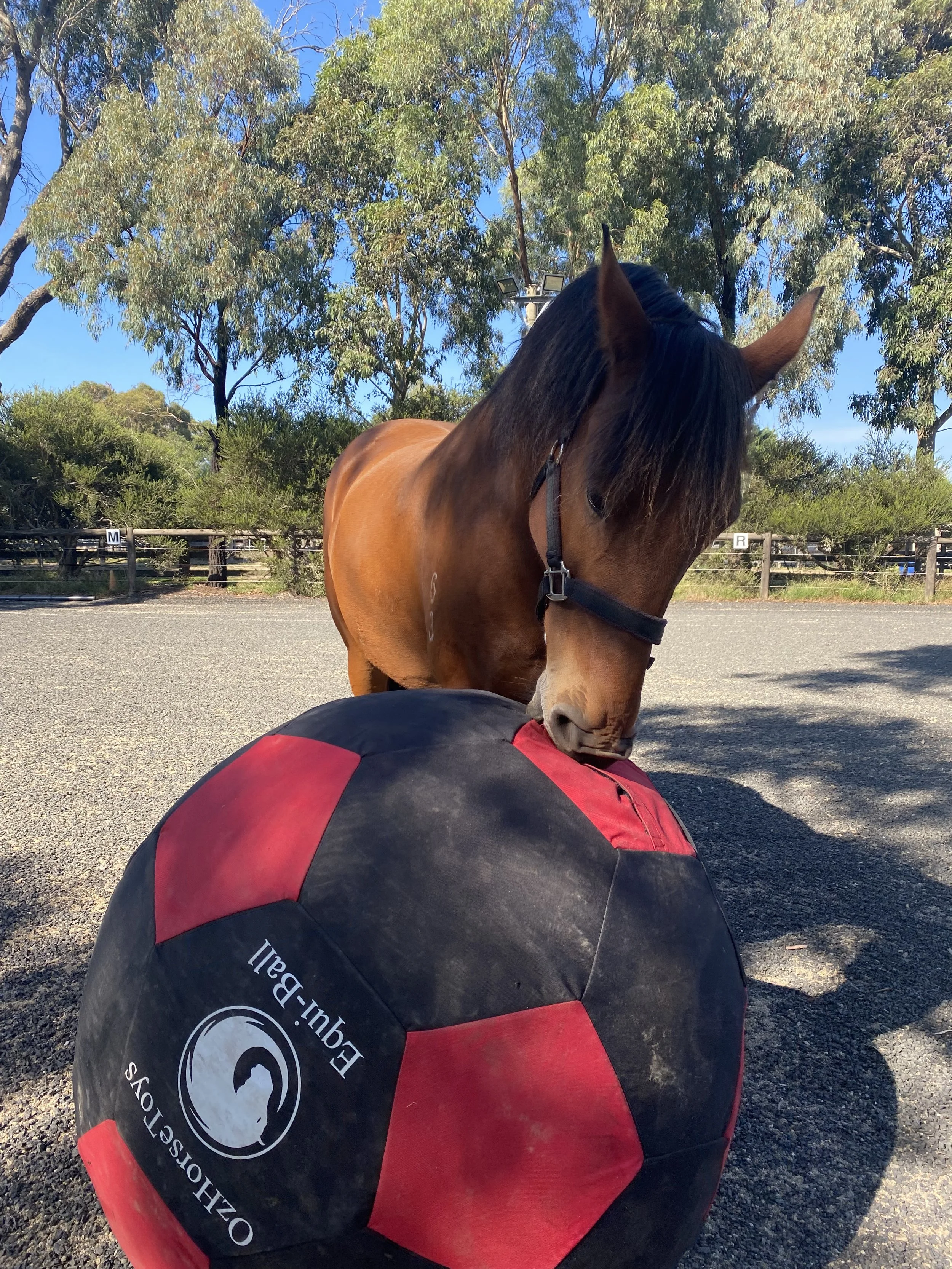
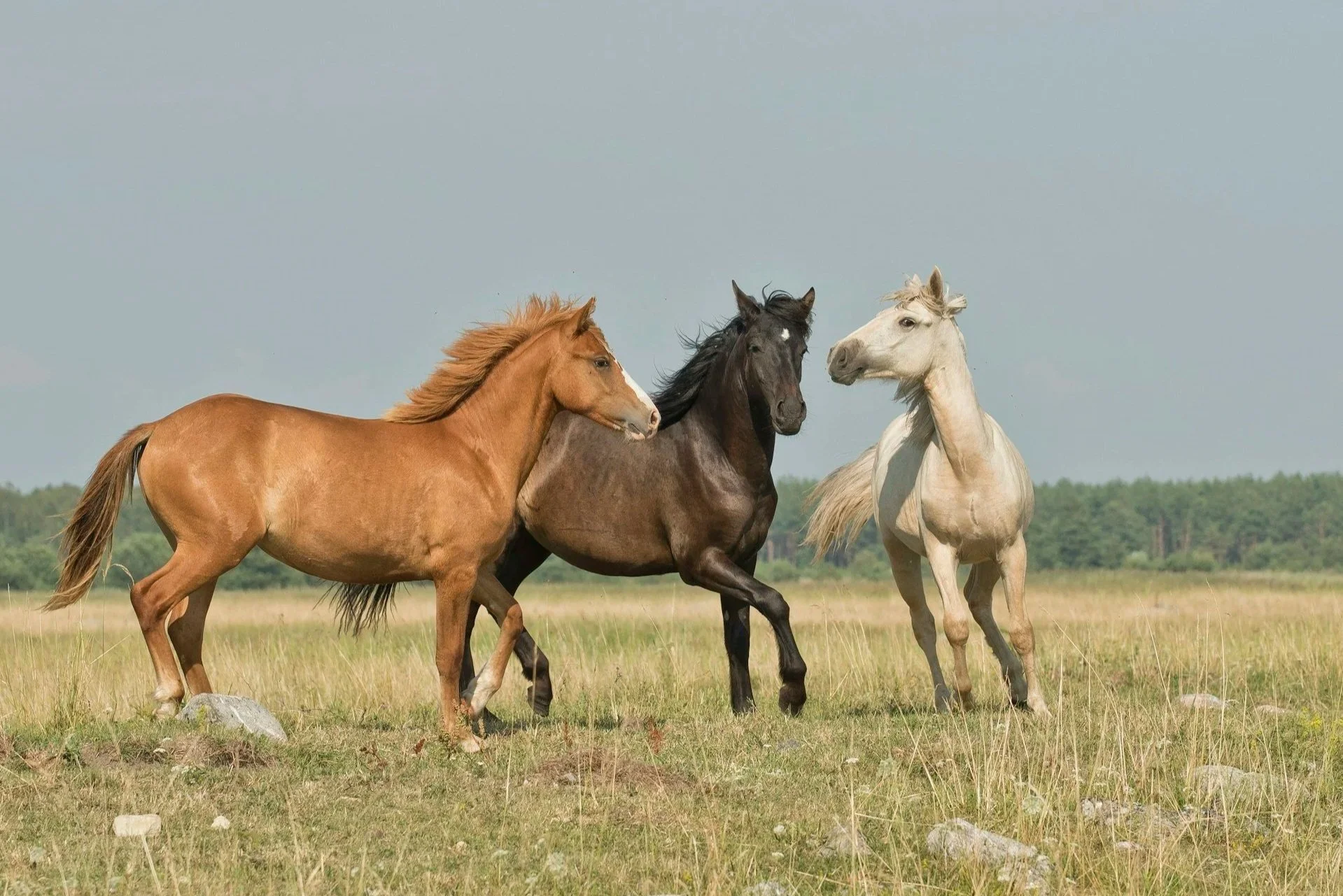
Lead Horse & Co-facilitatorNadahl
Nadahl is basically a golden retriever in a horse suit. Don’t let his size intimidate you - he’s incredibly sweet, loves people (and food!), and always does his best to please.